How to Buy a Home in Austin, TX in 2026 — A Complete Guide
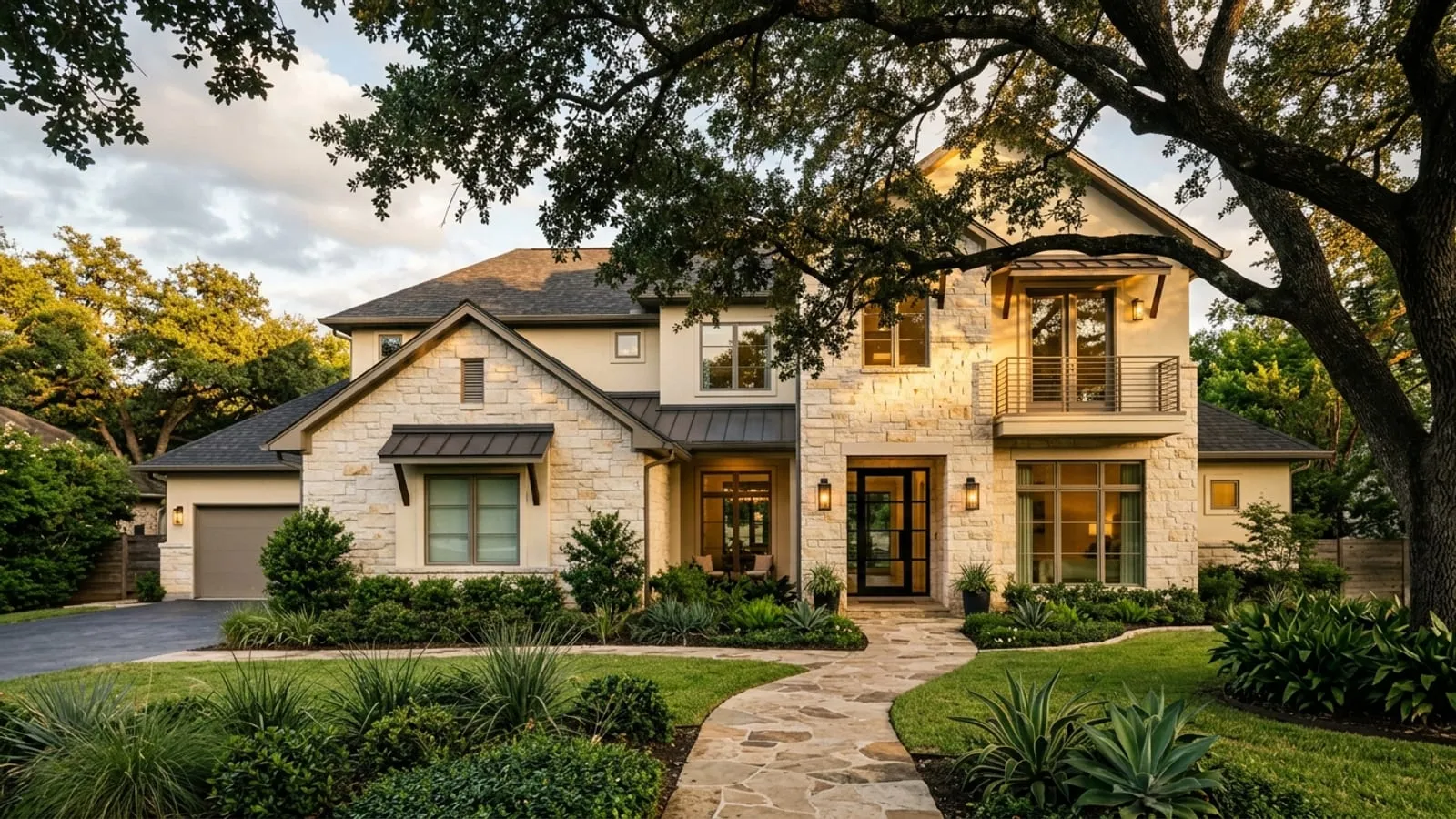
Buying a home in Austin, Texas in 2026 is different than it was two years ago. The market has shifted from the frenzied bidding wars of 2021-2022 to a more balanced environment where buyers have real negotiating power.
As a local Austin real estate agent, I help buyers navigate this market every day. Here’s what you need to know.
Step 1: Get Pre-Approved Before You Start Looking
This is the single most important step most buyers skip or delay. Pre-approval does three things:
- Sets your budget — Know exactly what you can afford before you fall in love with a home outside your range
- Shows sellers you’re serious — In a competitive situation, a pre-approved buyer wins over one who isn’t
- Speeds up closing — Much of the underwriting is done upfront
I recommend talking to 2-3 lenders to compare rates. Local credit unions and mortgage brokers often beat big bank rates in Austin.
Step 2: Choose the Right Neighborhood
Austin is a big metro. Where you buy matters as much as what you buy. Consider:
- Commute — Where do you work? If you’re in tech (Domain area), Cedar Park or Round Rock might be better than South Austin
- Schools — Eanes ISD (Westlake), Lake Travis ISD, Leander ISD, and Round Rock ISD are the top-rated districts
- Budget — Pflugerville and southeast Austin offer the best value. Lakeway and Westlake are premium
- Lifestyle — Want walkability? Look at downtown or South Congress. Want space? Look at suburbs
Check out my neighborhood guides for detailed breakdowns of each area.
Step 3: Understand the Current Market
As of early 2026, Austin’s housing market is characterized by:
- More inventory — Active listings are up significantly from 2022 lows, giving buyers more options
- Price stabilization — Median prices have held steady after the 2022-2023 correction
- Buyer leverage — Sellers are more willing to negotiate on price, repairs, and closing costs
- Interest rates — Still elevated compared to 2020-2021, but buyers are adapting
This is actually a good time to buy if you plan to hold for 5+ years. Austin’s fundamentals — job growth, population growth, quality of life — remain strong.
Step 4: Make a Smart Offer
In today’s Austin market, you don’t need to waive inspection or overbid to win a home. Here’s what I advise:
- Price competitively based on comparable sales, not the list price
- Keep your inspection contingency — waiving it is rarely worth the risk
- Negotiate closing costs — Many sellers will contribute to your closing costs right now
- Flexible closing timeline can be more attractive to sellers than a higher price
Step 5: Inspect Thoroughly
Austin homes have specific issues to watch for:
- Foundation — Texas clay soil causes foundation movement. Get a structural engineer if the inspector flags anything
- HVAC — Austin summers are brutal. Make sure the AC system is in good shape and properly sized
- Roof — Hail damage is common. Check the roof age and condition
- Plumbing — Older homes (pre-1990) may have galvanized or cast iron pipes that need replacement
Step 6: Close and Move In
Typical closing timeline in Austin is 30-45 days from accepted offer. Your lender, title company, and I will coordinate everything. You’ll do a final walkthrough, sign the paperwork, and get the keys.
Ready to Start?
If you’re thinking about buying a home in Austin, I’m happy to answer questions — no pressure, no obligation. Get in touch or call me at (512) 766-3188.
Frequently Asked Questions
How do I buy a house in Austin, Texas in 2026?
The Austin home-buying process in 2026 follows six steps: get pre-approved with a Texas lender, choose the right neighborhood and school district, understand the current buyer's market, make a competitive offer with inspection contingencies intact, complete a thorough inspection (foundation, HVAC, roof, plumbing), and close in 30–45 days. The market currently favors buyers, so you don't need to waive contingencies or overbid to win.
Is 2026 a good time to buy a home in Austin?
Yes, 2026 is one of the strongest buyer's markets Austin has seen since 2019. Active inventory is up significantly from 2022 lows, median prices have stabilized after the post-2022 correction, and sellers are willing to negotiate on price, closing costs, and repairs. If you plan to hold the home for 5+ years, current conditions favor buyers.
How much do I need for a down payment to buy a home in Austin?
Conventional loans in Austin typically require 5–20% down, FHA loans require 3.5%, and VA loans require 0% for eligible veterans. On a $500,000 Austin home, that's roughly $17,500 (FHA) to $100,000 (20% conventional). First-time buyer programs and down payment assistance are available through Texas Department of Housing for qualified buyers under certain income limits.
Should I get pre-approved before looking at homes in Austin?
Yes, always. Pre-approval sets your real budget, shows sellers you're serious in a competitive situation, and speeds up closing because much of the underwriting is done upfront. Talk to 2–3 lenders to compare rates — local credit unions and Austin mortgage brokers often beat big bank rates. A pre-approval letter is essentially required to make an offer in Austin.
How long does it take to close on a house in Austin?
A typical Austin home purchase closes in 30–45 days from accepted offer to keys. Cash purchases can close in as little as 10–14 days. Texas closings happen at title companies (not law offices), and remote closings via mobile notary or e-sign are common, which makes the process easier for relocation buyers who can't be in Austin in person.
What are the biggest issues to inspect when buying a home in Austin?
Austin homes have four issues to watch closely: foundation movement caused by Texas clay soil (get a structural engineer if flagged), HVAC systems that must handle brutal Austin summers, roof condition because hail damage is common, and plumbing in older pre-1990 homes that may have galvanized or cast iron pipes. Always keep your inspection contingency in your offer.
Do I need a buyer's agent to buy a home in Austin?
Yes. The seller's agent legally represents the seller, not you, and won't negotiate on your behalf. A buyer's agent advises you on neighborhoods, prices, contract terms, inspection responses, and closing strategy. In Austin, buyer's agent commissions are often paid through the listing or builder marketing budget, so it usually costs you nothing out of pocket to be represented.
What is the average property tax rate in Austin, Texas?
Austin metro property taxes typically range from 1.8% to 2.8% of assessed value, depending on the city, school district, and any Municipal Utility District (MUD). On a $500,000 home that's roughly $9,000–$14,000 per year. Texas has no state income tax, so high property taxes are part of the trade-off. Always claim your homestead exemption after closing to cap annual increases at 10%.
Can I negotiate the price of a home in Austin in 2026?
Yes. The current Austin market gives buyers real negotiating leverage on price, closing cost contributions, repair credits, and even rate buydowns. Sellers are more flexible than they've been since 2019, and many homes sit on the market 60–90 days. Price your offer based on recent comparable sales in the same neighborhood, not on the seller's list price.
What are closing costs when buying a home in Austin, Texas?
Buyer closing costs in Austin typically run 2–4% of the purchase price, including lender fees, title insurance, survey, appraisal, prorated property taxes, and HOA setup. On a $500,000 home, expect $10,000–$20,000 in closing costs. In the current market many sellers will contribute $5,000–$15,000 toward your closing costs as part of negotiations.
Should I waive the inspection contingency to win a home in Austin?
No. Waiving the inspection contingency was common during the 2021–2022 frenzy but it's almost never necessary in 2026's buyer's market. Austin homes have real issues with foundations, roofs, and HVAC, and an unknown $20,000 problem is far more expensive than losing a marginal bidding war. Keep your inspection contingency intact in essentially every situation.
How do I find the right Austin neighborhood when buying a home?
Start with your work commute and school district needs, then layer in budget. Tech workers usually pick Cedar Park, Round Rock, Leander, or Pflugerville for proximity to Apple, Dell, Samsung, and Tesla. Families prioritize Eanes, Lake Travis, Leander, or Round Rock ISD. Visit the neighborhoods in person and drive the commute at peak rush hour before you commit.
Have questions about Austin real estate?
Reach out — I'm happy to help with your home search or sale.